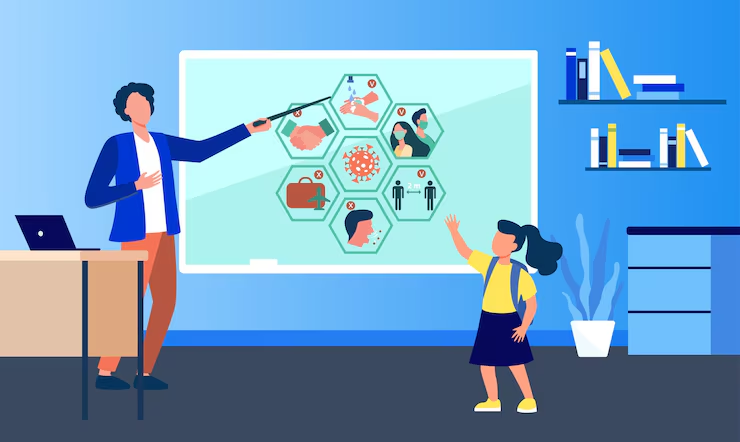
Education and Teaching Skills is a vital field that focuses on learning methods, teaching strategies, curriculum development, and student development. Education is the foundation of personal growth, social progress, and economic development. Teaching skills ensure that knowledge is delivered effectively and that students understand concepts clearly and confidently. Education is a lifelong process that begins at an early age and continues throughout life. Schools, colleges, universities, and training institutions play a major role in providing formal education. Teachers guide students not only in academic subjects but also in developing critical thinking, moral values, creativity, and social skills. A strong education system builds knowledgeable and responsible citizens. Teaching skills involve the ability to communicate ideas clearly, manage classrooms effectively, and engage students in active learning. Good teachers understand different learning styles and adapt their methods to meet students’ needs. Some students learn better through visual materials, others through listening or hands-on activities. Effective teaching combines lectures, discussions, group work, and practical exercises to improve understanding. Curriculum development is an important part of education. A curriculum outlines what students should learn, how they will learn it, and how their progress will be assessed. Educational institutions design curricula based on academic standards, social needs, and career requirements. Modern education systems continuously update curricula to include digital skills, technology, and critical thinking. Technology has transformed education and teaching methods. Online learning platforms, virtual classrooms, and digital resources allow students to access education from anywhere. Educational tools such as video lessons, interactive simulations, and online assessments make learning more engaging. Platforms like Google Classroom help teachers manage assignments, communicate with students, and organize course materials efficiently. Assessment and evaluation are essential components of education. Teachers evaluate student performance through exams, quizzes, projects, presentations, and assignments. Assessment helps identify strengths and weaknesses, allowing teachers to improve instruction and provide feedback. Continuous evaluation ensures academic progress and skill development. Educational psychology is another important area in teaching. It studies how students think, learn, and behave in educational settings. Understanding psychology helps teachers motivate students, manage classroom behavior, and support learners with special needs. Positive teacher-student relationships improve confidence and academic achievement. Inclusive education is a growing focus in modern teaching systems. It ensures that students with disabilities or special learning needs receive equal opportunities in education. Schools create supportive environments with adapted teaching materials and trained staff to promote accessibility and equality. Professional development is essential for teachers. Educators must continuously update their knowledge and teaching strategies to keep up with changes in technology, curriculum standards, and student expectations. Workshops, training programs, research, and advanced degrees help teachers improve their skills and effectiveness. Leadership also plays a significant role in education. School administrators, principals, and educational policymakers design strategies to improve school performance and learning outcomes. Strong leadership ensures quality education, proper resource management, and student success. Career opportunities in education and teaching are diverse. Individuals can become school teachers, university lecturers, educational counselors, curriculum developers, education researchers, or academic administrators. Teaching is a respected profession because it shapes future generations and contributes to national development. However, education systems face challenges such as limited resources, overcrowded classrooms, unequal access to quality education, and technological gaps. Governments and educational institutions must invest in training, infrastructure, and digital tools to improve learning environments.
In conclusion, Education and Teaching Skills are essential for personal and societal growth. Effective teaching methods, updated curricula, technology integration, and continuous professional development improve learning outcomes. Education empowers individuals with knowledge and skills while teachers play a key role in guiding and inspiring students. A strong education system builds a brighter and more progressive future for communities and nations worldwide.